

Roulette brings rhythm and risk to every spin

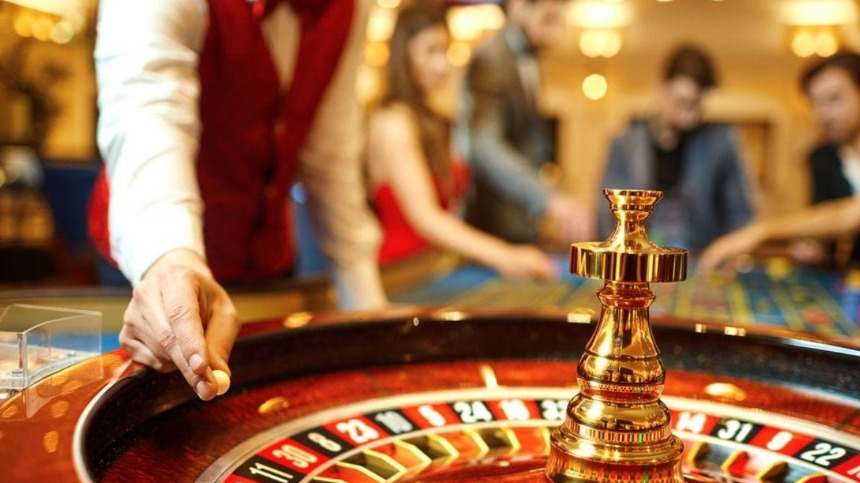
Table of Contents
The Rhythm of the Spin
Roulette, whether nestled inside a glamorous casino or viewed through the sleek interface of an online platform, captures one timeless thrill: rhythm. Not in a musical sense, but in the way anticipation flows with every turn of the wheel. It has that hypnotic repetition that, ironically, never feels repetitive at all. The ball dancing between black and red pockets is its own kind of melody, unpredictable yet patterned. I’ve always found that blend of routine and surprise strangely satisfying, like it’s both calming and nerve-racking in the same breath.
As online gambling evolved, platforms started to echo that rhythm in new ways. The simplicity of roulette made it adaptable, fitting effortlessly into the design of digital lobbies. The rise of no account casinos only amplified this evolution, making access to a quick spin faster than ever. No forms, no patience required. Just that click, that spin, and that flutter of nerves that says you’ve entered the game again.
From Velvet Tables to Virtual Screens
Once, roulette was a purely physical experience. The faint clinking of chips, the soft hum of background chatter, the steady hand of a dealer spinning the wheel. Today, though, the rhythms have gone digital. Online casinos have captured those sensations with crisp graphics, real-time live dealers, and sound effects that can feel surprisingly tangible. There’s no cigar smoke, no delay in service, but somehow, the vibe persists. You watch the wheel turn, your pulse measured by pixels rather than the weight of a real ball.
Design and Interface Flow
Modern gambling sites have an almost choreographed flow. Pages glide, animations feel responsive, and the sound of a spin often cues the sensory reward loop. Developers know the pattern matters. Roulette’s success online isn’t just about odds; it’s also about feel. Even subtle design touches, like a softly glowing “Spin” button or gently pulsing colors, give a sense of rhythm that mimics the pace of the real casino floor.
Balancing Rhythm and Risk
The real charm of roulette is its contradiction. It’s predictable and chaotic, relaxed and volatile. That mix gives it longevity. With digital roulette, players can adjust small strategies between spins—changing bet spreads, alternating between numbers or colors, or testing odd-even balance. Yet, even with strategy, luck claims the biggest role. This duality makes roulette addictive for analytical minds and daydreamers alike.
Finding Your Pattern
I used to think winning streaks were myths until one night, online, everything just aligned. For a few spins, the numbers danced exactly where I guessed. Then, just as suddenly, they didn’t. That fleeting pattern, that false rhythm, is exactly what keeps players hooked. The game convinces you that you’ve found order in chaos, when really, the wheel owes you nothing.
Understanding that risk makes roulette more realistic and, oddly, more enjoyable. The game’s teaching is humble: win gracefully, lose calmly, and keep your rhythm steady regardless of outcome.
Two Common Roulette Habits
- Chasing patterns that aren’t really there, believing the numbers “owe” them a win.
- Switching bet amounts impulsively, often just after a loss, breaking the mental rhythm that keeps a player sensible.
The Modern Player’s Experience
Online casinos today are far more than gambling platforms. They’ve evolved into entertainment ecosystems. Registration processes are streamlined, bonus structures layered, and payment gateways instant. It’s not uncommon to jump between roulette, slots, and live poker within minutes. The digital casino mimics the physical experience but removes the boundaries of place and time. You can spin from anywhere, anytime, while sipping tea in your kitchen or sitting on a train, avoiding the need for timing or social rituals.
What Keeps Players Engaged
To stay compelling, casinos rely on more than just games. There’s a constant rhythm of incentives: welcome offers, cash-back rewards, leaderboards, and daily challenges. It’s a soft push to return, layered under a friendly design. The emotional pacing is crucial here. When wins and losses arrive just fast enough to stay interesting but not overwhelming, players remain engaged, sometimes forgetting how much time passed since their first spin.
Platform Dynamics
Developers have turned gambling into a kind of digital performance. Live roulette streams add human warmth, while software-driven tables cater to privacy seekers. Payment systems have improved to a remarkable degree—it’s now easier to deposit with e-wallets and crypto than to buy lunch. That seamlessness, for better or worse, can blur the line between a few quick bets and an extended session.
Here are a couple of subtle signals I’ve noticed in my own play that suggest when to take a pause:
- When the wheel’s pace starts feeling mechanical, not exciting anymore.
- When small losses start feeling heavier than they should, hinting it’s time to walk away.
Conclusion
Roulette carries a rhythm that feels older than its name, beating beneath the sound of every spinning wheel. The digital evolution didn’t silence that pulse, it amplified it. Casinos—both physical and virtual—feed on rhythm and risk intertwined. What keeps players coming back isn’t just the hope of profit but that familiar heartbeat, that small dance of uncertainty that says, maybe this spin, maybe this time. And even when the wheel stops, something about that rhythm lingers, whispering for one last turn.
FAQ
What makes online roulette different from physical roulette?
The main difference is accessibility. You can play from anywhere, anytime, with live dealers or automated wheels that simulate the same tension as a real table.
Is roulette based on skill or luck?
Primarily luck, though some players adopt strategies to manage bets and timing. The outcome itself remains entirely random.
Why do people keep playing even after losses?
Because the game feels rhythmic, familiar, and full of potential. The brain loves patterns, and the spin always tempts with the illusion of control.
Are bonuses worth using for roulette?
Usually yes, but check terms carefully. Some bonuses count fully toward bets, others are limited to certain games or percentages.